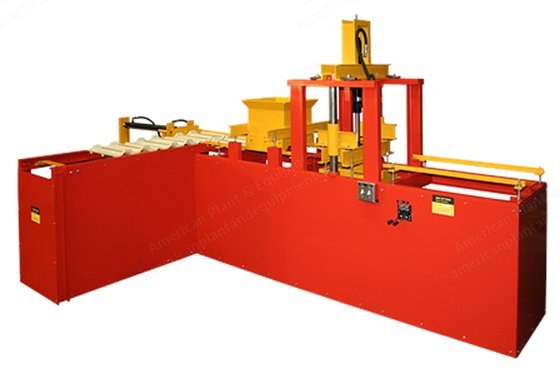
Curb Extruder Machine, 80 Bar Max Pressure, 420x330mm Tile Capacity
Scroll to zoom
100%
Description
Overview
Extruder machine for concrete roof tiles.
Profile: Double Roman.
Tile dimension: 420 mm x 330 mm x approximately 12 mm thickness.
Covering capacity: approximately 10 tiles/m2, depending on roof pitch.
Weight: about 4.5 kg per tile (45 kg/m2).
Raw materials: Portland grey cement (1.0 kg/tile), washed sand (3.5 kg/tile, granulometry 0.1 to 4 mm), water/cement ratio approximately 0.40.
Color: ferric oxide pigments in the whole mass (30 grams/tile) or on top of grey tile as colored slurry (6 g / 0.1 kg of cement).
Finishing: acrylic paint (water based) sprayed on dry tiles (15 grams/tile) to prevent efflorescence.
Hydraulic Control System
Feeds pressurized oil to the cylinder which pushes the plastic molds from behind.
Set to a maximum pressure of 80 bar; normal working pressure is about 60 bar.
Extrusion box motor is protected by a pressure overload valve, which limits the maximum thrust force.
Presence of over-sized bodies can still damage the system; preventative crushing of aggregate in the quarry is compulsory (sand is usually purchased already sized), as well as a protection screen on site.
Electric Control Panel
Situated near the hydraulic control system.
Operation lever is near the cutting unit.
Controls the motor pump, the motor gear box of the roller, the stirrer, and the conveyor belt (when present) of the mix.
Tile Curing Process
Freshly extruded tiles on pertinent pallets are manually loaded into empty racks coming from the unloading station of dry tiles.
Once a rack is filled with fresh tiles, it is taken to the curing chambers by a transport system.
At the same time, racks with cured tiles are moved to the inlet conveyor where they are unloaded.
Fresh tiles stay in the racks until the cement is hardened: normally 24 hours when curing chamber temperature is at least 30 °C, or 8 hours at 55/60 °C with humidity of 95%.
Forced heating must be foreseen when the above temperatures cannot be naturally achieved, according to local conditions.
Ridge Manufacturing
Ridges are manufactured by a dedicated manual bench.
Molds with fresh ridges are loaded into racks; the day after, dry ridges are unloaded, de-palletized, and molds reused.
Request a Quote
✓
Request sent
Thank you, our team will reply to you shortly.
Direct access to our team
Email American Plant & Equipment
Tell us what you want to buy, source, finance, or sell. A machinery specialist will follow up with you.
✓
Thank you. Your request is with the American Plant and Equipment team.
A machinery specialist will follow up with you.
Machinery updates
Subscribe to our email list
Tell us which industries you follow and we will send you the machines that match.
✓
You are on the list.
We will email you when machines that match your interests come in. Unsubscribe from any message.