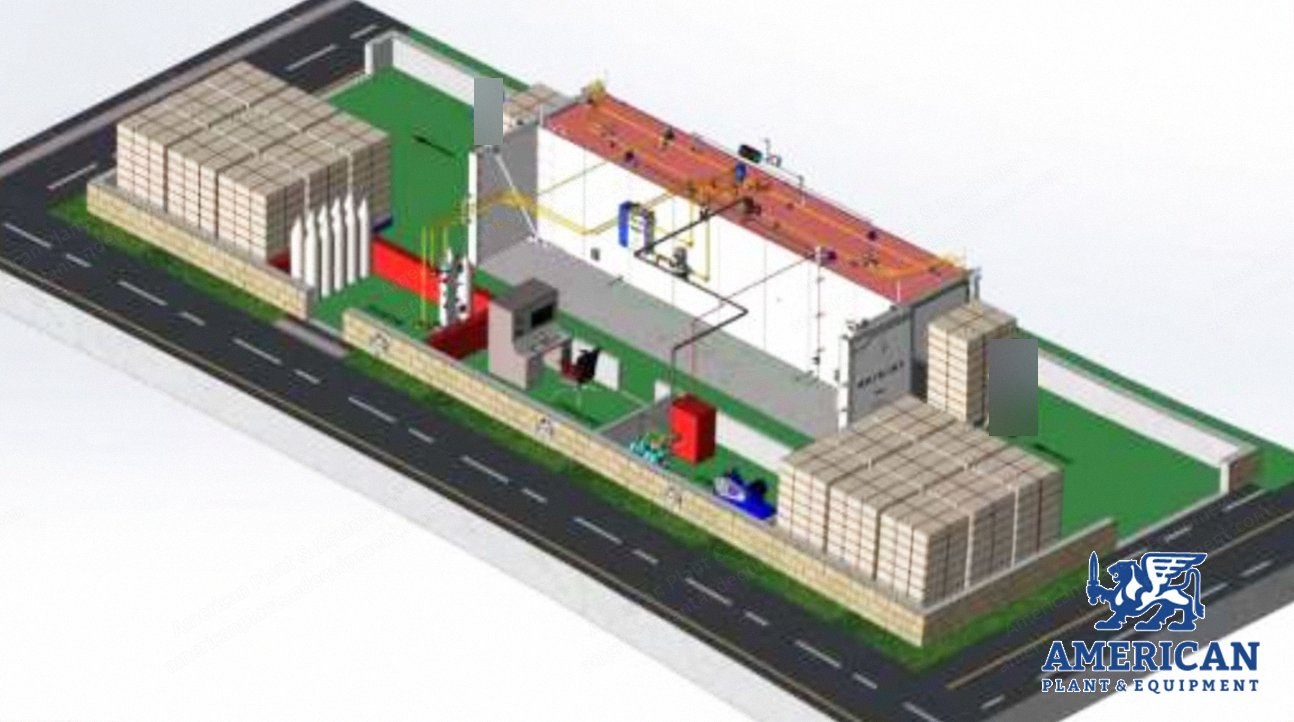
NovaStar, SZ138, ETO Sterilizer, 45m3, Stainless Steel, Sliding Doors
Scroll to zoom
100%
Description
Overview
Ethylene oxide sterilizer designed, manufactured and validated in accordance with international standards.
Composed of two sections: mechanical part and electrical control part.
Standards For Sterilizer Manufacturing And Validation
ISO 13485-2016 medical device quality management system.
EN 1422-2014 ethylene oxide sterilization requirements and test methods.
2006.95.EC low voltage directive.
2006.42.EC machine directive.
94.9.EC ATEX 95 equipment directive.
EN 1127-1:2019 explosive atmospheres. Explosion prevention and protection.
YY 0503-2015 classification and requirements for ethylene oxide sterilizers.
ISO 11135-2014 EO development, validation and routine control of sterilization.
FDA 21 CFR part 11 electronic record and electronic signature.
Mechanical Section
Sterilizer chamber.
Heating system.
Vacuuming system.
EO injection system.
Humidifying system.
Air change system.
Electrical Control Part
Hardware of the control system.
Control system software description.
Independent data report management system.
Software verification.
On-site installation.
Sterilizer control mode.
Software warning system.
Control software process.
Power failure protection.
Sterilizer Chamber
Chamber structure: main body welded at inner pot, door frame, heating water jacket, covered by heat insulation layer and outer plate.
Heating mode: uses hexahedron heating method combined with adjustable grouping to guarantee heating rate and temperature.
Components, pipes and accessories: all pipes contacting ethylene oxide gas are stainless steel 304; all sealing gaskets and seals contacting EO gas are polytetrafluoroethylene or silicone rubber.
Sealing door: pneumatic sliding doors; door seal is silicone rubber, nitrogen filled with non-return valve during power off; no need to brush oil; no need to vacuum when opening door; has pressure test function.
Door type available (optional): M (mechanical door, old model, out of use), A (pneumatic sliding door), R (pneumatic revolving door), L (lifting door).
Sterilizer chamber size: common capacities include 78 L, 150 L, 230 L for hospital and lab; 1 m³, 2 m³, 3 m³, 5 m³, 8 m³, 11 m³, 15 m³, 20 m³, 26 m³, 35 m³, 40 m³, 50 m³, 60 m³, 75 m³, 90 m³, 100 m³ and 120 m³ for medical product manufacturers or sterilization stations; any size can be customized.
Main structure material: chamber body (cabinet: stainless steel SUS304, Δ=8 mm; water jacket: GE series stainless steel, LE series carbon steel with stainless steel bottom; housing: SS304 stainless steel, Δ=1.5 mm; foot: U-bar steel 14#/Q235; insulating layer: aluminum silicate fiber blanket; water circulation system: galvanized pipes with insulation and aluminum foil cloth cover). Door (door: stainless steel SS304, Δ=8 mm; door frame: rectangular steel 120 x 60/Q235; door water jacket: U-bar carbon steel; door sealing flange: GE stainless steel, LE carbon steel; hook: Q235; housing: stainless steel SS430, Δ=1.5 mm; insulating layer: ceramic fiber; door seal: silicone rubber internal air injection; door quantity: 2).
Heating System
Heated by central heating system.
Hot water tank installed on wall of sterilizing cabinet with steel frame connected; includes electric heating, circulation pump, temperature sensor, automatic water supplement and each water interface.
Heating system water tank specification: water tank installation (wall mounted); heating water tank (stainless steel); housing of tank (carbon steel with power paint); electronic heater (stainless steel electrical heating pipe).
Heating circulating system: circulating pump heats sterilizer by hot water from water tank through filter; hot water runs continuously to control sterilizer temperature; water temperature in tank controls sterilizer temperature.
Vacuum System
Pre-vacuums, removes and cleans EO gas in sterilizer.
Discharge port connects to steam water separator and waste gas treatment equipment.
Vacuum pump incorporates single-pole vacuum pump and uses step method to adjust vacuum rate.
Vacuum device: pneumatic ball valve, check valve; prevents negative pressure backwater and power failure backwater function.
Vacuum brand: BE (Yanfeng), LE (Yanfeng), GE (Sihi/Nash).
EO Injection System
Injects EO gas or EO + CO₂; if pure EO gas is used, N₂ gas is injected through EO injection system as well.
Vaporizer structure and material: vaporizer liner (stainless steel); EO coil pipe (stainless steel pipe SS304); vaporizer housing (stainless steel); insulating layer (fireproof aluminum silicate fiber blanket); heating method (main hot water tank supply); with temperature sensor to control vaporizer temperature.
EO injection arrangement: without internal circulation fan, top of cabinet has three EO injection holes (injection mouth easy to take apart for cleaning); with internal circulation fan, EO injection only needs one.
Vaporization pump: hot water in main water tank transported to vaporizer.
EO injection mouth of sterilization cabinet equipped with independent control temperature sensor; if EO temperature is super low, system sounds alarm and stops dosing.
EO input can be weighed and controlled according to pressure difference control in sterilizer.
Request a Quote
✓
Request sent
Thank you, our team will reply to you shortly.
Direct access to our team
Email American Plant & Equipment
Tell us what you want to buy, source, finance, or sell. A machinery specialist will follow up with you.
✓
Thank you. Your request is with the American Plant and Equipment team.
A machinery specialist will follow up with you.
Machinery updates
Subscribe to our email list
Tell us which industries you follow and we will send you the machines that match.
✓
You are on the list.
We will email you when machines that match your interests come in. Unsubscribe from any message.